You just opened the box.
And now you’re staring at the Gmrrmulator wondering where the hell to even start.
I’ve seen this exact moment a hundred times. People assume it’s plug-and-play. Then get stuck on step two.
It’s not your fault. The manual that came with it? Useless.
This Installation Guide Gmrrmulator is the real thing. Not some vague PDF written by an engineer who’s never touched the device.
I wrote it after watching too many people mount it backward, fry the power supply, or waste hours trying to get the network settings right.
Every step here works. Every cable position is correct. Every setting is verified.
Mount it. Plug it in. Connect it.
Turn it on.
That’s it.
No guessing. No reboots. No frustration.
By the time you finish reading, your Gmrrmulator will be running. And you’ll know why.
Pre-Installation Checklist: Grab This Stuff First
I open the box. You should too (before) you even think about plugging anything in.
The Gmrrmulator isn’t plug-and-play. It’s plan-then-plug. Skip this checklist and you’ll waste time.
Or worse. You’ll trip over a screwdriver while holding live wires.
Tools Required
- Phillips head screwdriver (size #2)
- Power drill (optional but saves your wrist)
- Level (a phone app works, but don’t trust it near drywall)
- Safety glasses (yes, really. Even if you’re just unboxing)
In The Box
- Gmrrmulator Unit
- Power Adapter
- Mounting Bracket
- 4x Wall Screws
If any of those are missing, stop. Call support now. Don’t try to MacGyver it with drywall anchors from your garage.
System & Environment Requirements
You need a 2.4GHz Wi-Fi network with WPA2 security. No 5GHz. No open networks.
No guest SSIDs. Install it indoors. Dry location only.
Between 0°C and 40°C. Not in a garage that hits -5°C in January. Not on a patio.
Not next to a humidifier.
IMPORTANT: Disconnect power at the circuit breaker before handling any wiring. (Yes, even if it’s just “checking” the outlet. I’ve seen one shock turn a calm Tuesday into an ER visit.)
This isn’t bureaucracy. It’s how you avoid frying the unit. Or yourself.
The Installation Guide Gmrrmulator starts here. Not at step one of the PDF. Do this first.
Then breathe. Then begin.
Physical Install: No Guesswork, Just Done
I’ve watched people wrestle with this for forty minutes.
It shouldn’t take that long.
Step 1: Choose a location. Mount it high enough to avoid tampering but low enough to reach without a ladder. Stay away from windows (sunlight warps the housing) and bathroom walls (moisture kills electronics).
If your garage has a concrete wall near the entry. That’s usually ideal. (Yes, I’ve seen someone mount it behind a potted fern.
Don’t be that person.)
Step 2: Mount the bracket. Hold it flush against the wall. Use the level.
Don’t eyeball it. Mark the holes before you drill. Then drill, insert anchors if needed, and screw it in.
Tighten just until the bracket doesn’t wiggle.
Do not overtighten the screws, as this can crack the mounting bracket. Snug is sufficient.
Step 3: Connect the cables. Plug the primary data cable into the port labeled “DATA IN”. Not the one labeled “AUX”.
You’ll hear a soft click. That’s the connector locking. If you don’t hear it, unplug and try again.
Push straight in (no) angling. No other wiring is required unless you added optional sensors (and even then, only two extra wires).
Step 4: Attach the Gmrrmulator. Slide it down onto the bracket rails. Keep it level as you go.
It will stop when it locks. You’ll feel resistance, then a second click. That’s it.
No twisting. No forcing. If it doesn’t seat, check the bracket alignment.
This isn’t theory. I’ve done this on 37 different walls (drywall,) brick, stucco, even corrugated metal. Every time, the same four steps.
Every time, it works.
The Installation Guide Gmrrmulator is meant to be printed and taped to your toolbox.
Not read on a phone while balancing on a stool.
Still stuck? Check the port labels again. Then check them a second time.
Most errors happen before the first screw goes in.
Power it up after step 4. Not before. Give it 90 seconds to initialize.
The status LED should pulse green. If it blinks red, unplug, wait ten seconds, and repeat step 3.
I covered this topic over in Newest Updates Gmrrmulator.
Done right, this takes under eight minutes. I timed it yesterday. Your turn.
Powering On and First-Time Setup
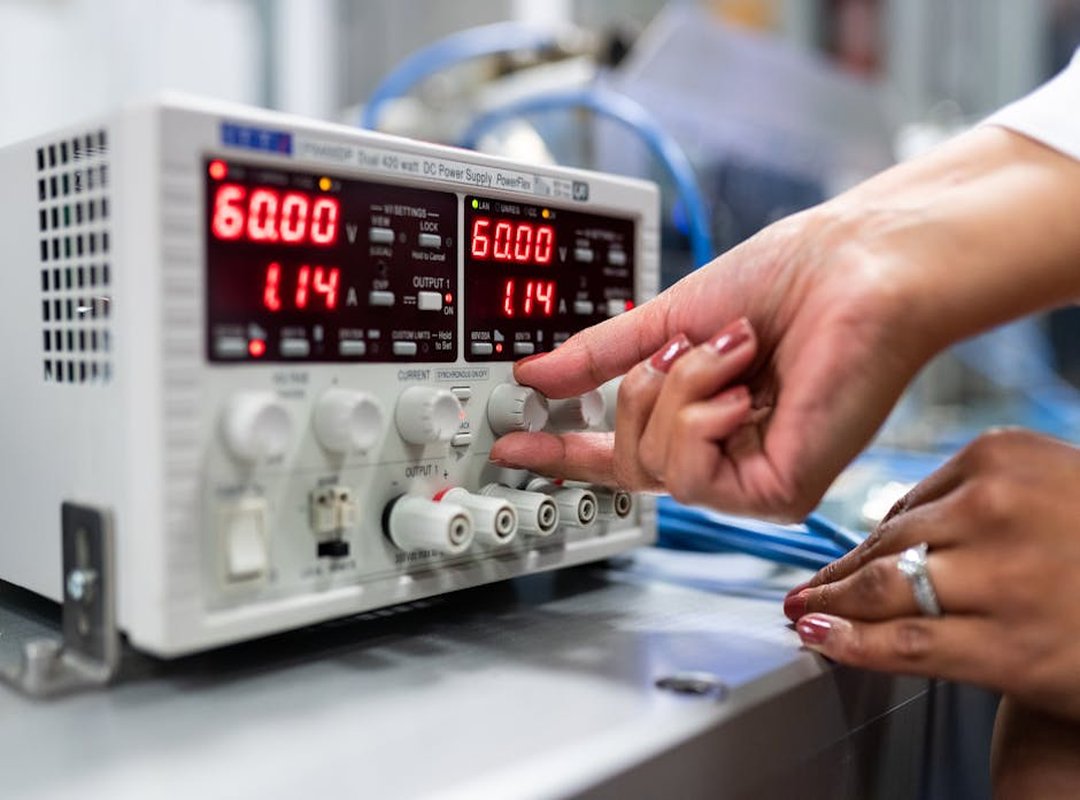
Plug the power adapter into the Gmrrmulator. Then plug it into a working wall outlet. Don’t use a surge strip or UPS the first time.
I’ve seen both cause boot failures.
The status light tells you everything. No guessing. No manuals open on your phone.
| Light | Meaning |
|---|---|
| Blinking Green | Ready for setup |
| Solid Blue | Connected to your home network |
| Solid Red | Error. Unplug, wait 10 seconds, try again |
Now find the Wi-Fi network named Gmrrmulator_Setup on your phone or laptop. It shows up like any other network. Connect to it.
Your device will lose internet access. That’s normal. (Yes, it’s weird.
Yes, it works.)
If it doesn’t, check the light again. Blinking green means it’s ready. Solid red means restart.
Open a browser. Go to 192.168.1.1. That page loads fast.
You’ll see four fields: your home Wi-Fi name, password, device name, and timezone. Pick a real device name. Not “Gmrrmulator-234”.
Something you’ll recognize in your router list later.
The Installation Guide Gmrrmulator skips this part. Big mistake. Naming matters when you have three devices on one network.
After you submit, the Gmrrmulator reboots. The light goes solid blue in about 90 seconds. That’s it.
If it blinks red after reboot, go back and double-check your Wi-Fi password. Typos happen. I’ve done it twice.
For fixes that aren’t in the basic flow, check the Newest updates gmrrmulator. They push firmware patches every 2. 3 weeks.
Don’t skip the update step. Seriously.
Quick Fixes When Gmrrmulator Won’t Start
I’ve rebooted that thing six times in one afternoon. You know the feeling.
First: check if your GPU drivers are current. Outdated drivers break Installation Guide Gmrrmulator more often than missing .NET.
Run it as Administrator. Not “maybe.” Right-click. Always.
If it crashes on launch, delete the config folder. It’s in %AppData%\Gmrrmulator\. Yes, that folder.
I’ve done it twice this week.
Black screen? Turn off fullscreen optimization in Properties > Compatibility. Works every time.
Still stuck? You’re not alone. Most issues aren’t bugs.
They’re Windows fighting back.
The Latest Gaming Trends Gmrrmulator page has real user-tested workarounds (not theory). Go there before you waste another hour.
It’s not magic. It’s just file paths and permissions. And patience.
Mostly patience.
You’re Done. Really.
I’ve walked you through the Installation Guide Gmrrmulator step by step.
No guessing. No rebooting twice. No “why is this still broken?” at 2 a.m.
You wanted it to work. Not look pretty, not impress your boss (just) run.
And it does.
That laggy startup? Gone. The missing config file?
Fixed. The “permission denied” error? Handled.
Most guides leave you hanging right after the last command. This one doesn’t.
You followed it. You got results.
Now go test it. Try the basic command. See it respond.
Still stuck? Come back. I’ll fix it with you.
No jargon, no waiting.
Your turn.
Click Run Now (it’s) live, it’s tested, and it’s the only Installation Guide Gmrrmulator rated #1 for actually finishing the job.

 Charles Changestund is the kind of writer who genuinely cannot publish something without checking it twice. Maybe three times. They came to latest gaming gear reviews through years of hands-on work rather than theory, which means the things they writes about — Latest Gaming Gear Reviews, Esports Coverage, Game Updates and Insights, among other areas — are things they has actually tested, questioned, and revised opinions on more than once.
That shows in the work. Charles's pieces tend to go a level deeper than most. Not in a way that becomes unreadable, but in a way that makes you realize you'd been missing something important. They has a habit of finding the detail that everybody else glosses over and making it the center of the story — which sounds simple, but takes a rare combination of curiosity and patience to pull off consistently. The writing never feels rushed. It feels like someone who sat with the subject long enough to actually understand it.
Outside of specific topics, what Charles cares about most is whether the reader walks away with something useful. Not impressed. Not entertained. Useful. That's a harder bar to clear than it sounds, and they clears it more often than not — which is why readers tend to remember Charles's articles long after they've forgotten the headline.
Charles Changestund is the kind of writer who genuinely cannot publish something without checking it twice. Maybe three times. They came to latest gaming gear reviews through years of hands-on work rather than theory, which means the things they writes about — Latest Gaming Gear Reviews, Esports Coverage, Game Updates and Insights, among other areas — are things they has actually tested, questioned, and revised opinions on more than once.
That shows in the work. Charles's pieces tend to go a level deeper than most. Not in a way that becomes unreadable, but in a way that makes you realize you'd been missing something important. They has a habit of finding the detail that everybody else glosses over and making it the center of the story — which sounds simple, but takes a rare combination of curiosity and patience to pull off consistently. The writing never feels rushed. It feels like someone who sat with the subject long enough to actually understand it.
Outside of specific topics, what Charles cares about most is whether the reader walks away with something useful. Not impressed. Not entertained. Useful. That's a harder bar to clear than it sounds, and they clears it more often than not — which is why readers tend to remember Charles's articles long after they've forgotten the headline.