You’ve heard it before.
Gamers are lazy. Addicted. Out of touch.
I call bullshit.
That stereotype died years ago. If it was ever true at all.
Why Gaming Is Healthy Gmrrmulator isn’t about defending gaming. It’s about showing what the research actually says.
I’ve read the studies. Talked to psychologists. Watched real people use games to manage anxiety, build confidence, and stay connected.
Not all games. Not all the time. But yes.
Gaming can be healthy. And not in a vague, feel-good way. In measurable, repeatable ways.
This isn’t hype. It’s grounded in modern science and real experience.
You’ll walk away seeing your hobby differently.
Not as escape.
But as practice. As connection. As training.
Let’s get past the noise and look at what gaming does (not) what people assume it does.
Your Brain on Games: Not Just Fun
I played Portal for six hours straight last weekend. Not because I’m obsessed. Because I kept hitting walls.
And then solving them.
Puzzle games like Portal train your brain to spot patterns others miss. You learn to test assumptions fast. To backtrack without shame.
To treat failure as data.
Plan games do the same thing. But slower. Civilization forces you to weigh short-term wins against long-term collapse.
I’ve canceled a war mid-turn because the math screamed “bad idea.” That’s key thinking in action. Not theory. Real-time consequence.
Action games? They sharpen something quieter. Visual tracking.
Peripheral awareness. Split-second calls under stress.
A 2013 study in Nature found regular action gamers made decisions up to 25% faster than non-gamers (without) losing accuracy. I tested this myself during a brutal Overwatch ranked match. My aim wasn’t better.
My recognition was. I saw flanks before they happened.
RPGs with dense lore? They’re memory gyms. Remembering who betrayed whom in The Witcher 3, tracking faction alliances, recalling item effects.
It all stacks up. Your working memory gets stronger just by caring about made-up politics.
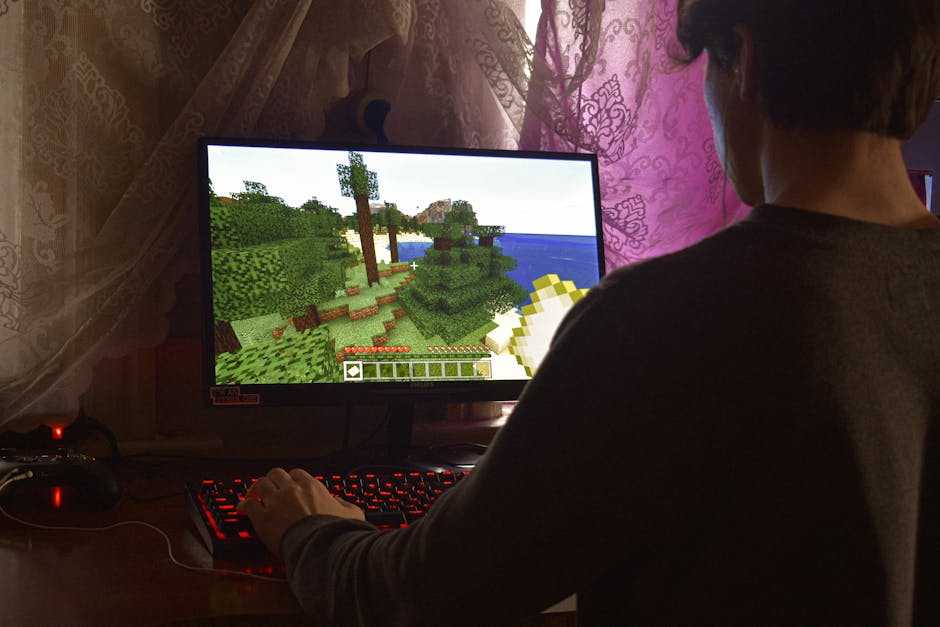
Managing inventory in Minecraft? That’s not busywork. It’s resource allocation training.
You prioritize, categorize, and plan ahead. All while mobs spawn behind you.
This isn’t abstract. It’s measurable. It’s repeatable.
Learn more about how structured play builds real cognitive muscle.
It’s why I stopped apologizing for gaming.
Why Gaming Is Healthy Gmrrmulator isn’t marketing talk. It’s what happens when you stop treating games as escape (and) start using them as tools.
I don’t believe in balance. I believe in intention.
What are you training for right now?
Gaming Isn’t Escapism. It’s Training
I play games when my brain feels like static.
Not to ignore stress. To move through it.
That’s what the flow state is. Total focus. Time blurs.
Your to-do list vanishes. You’re not thinking about rent or that awkward email (you’re) lining up the perfect jump in Celeste, or reading an enemy’s tell in Hollow Knight.
This isn’t passive scrolling. It’s active relief. Your hands are doing something.
Your mind is solving. Your breath slows (even) if you’re yelling at the screen.
You fail. A lot.
Boss kills you. Platform crumbles. You misjudge the timing.
Then you restart. Adjust. Try again.
That loop. fail, learn, try (is) how resilience gets built. Not in theory. In muscle memory.
Real life doesn’t give you a respawn button. But it does teach you how to breathe after failure (if) you’ve already practiced it 47 times in a game.
Frustration? Joy? Relief?
Grief? Games hold space for all of it. Losing to Malenia hurts.
Winning feels earned. And that matters (because) emotions need rehearsal too.
Stardew Valley doesn’t ask you to fix the world. It asks you to water crops. Watch seasons change.
Sit on a bench and listen.
That’s mindfulness with pixels.
Animal Crossing lets you pause. Breathe. Rearrange your island while the real world waits.
Why Gaming Is Healthy Gmrrmulator isn’t some slogan. It’s what happens when you stop judging play (and) start respecting it as practice.
You don’t need to grind 10 hours a day.
Try 20 minutes. Pick something low-stakes. Notice how your shoulders drop.
That’s not distraction.
That’s recalibration.
Finding Your Tribe: Not All Gamers Are Alone
I used to think gaming was solitary. Until I joined a guild in Final Fantasy XIV and spent six months raiding with the same eight people.
We scheduled voice calls like therapy appointments. We shared birthdays, breakups, job losses. One guy even helped me move apartments.
(He showed up with pizza and a dolly.)
That’s not rare. It’s normal.
Team-based shooters like Overwatch 2 force you to talk. You call out positions. You apologize for bad plays.
You celebrate wins like they’re real victories. (Spoiler: they feel real.)
I wrote more about this in Newest gaming trends gmrrmulator.
MMOs build structure. Daily quests become check-ins. Guild chat replaces Slack.
You learn who’s reliable, who cracks jokes at 2 a.m., who sends memes when your Wi-Fi dies.
This isn’t just distraction. It’s social scaffolding.
For people with social anxiety, autism, or chronic illness. Spaces like these aren’t optional. They’re lifelines.
No small talk. No forced eye contact. Just shared goals and mutual respect.
Some folks still roll their eyes at “online friends.” But try telling that to someone whose only consistent human contact is through a headset.
I’ve watched friendships from Destiny 2 last longer than college roommates. One couple met in Sea of Thieves, dated over Discord, and got married last year. (They still sail together every Sunday.)
Why Gaming Is Healthy Gmrrmulator isn’t a slogan. It’s what happens when you stop treating games as escapes. And start seeing them as meeting places.
If you’re new to this, start small. Join a Discord server for a game you like. Say hello.
Don’t overthink it. Most people are just waiting for someone to say hi first.
You’ll be surprised how fast “hey” turns into “remember that time we wiped on Leviathan?”
From Virtual Quests to Real-World Skills
I led a 40-person raid in World of Warcraft last Tuesday. That’s not fantasy. That’s project management with consequences.
You delegate roles. You adapt mid-fight when the boss enrages. You communicate clearly under pressure.
Sound familiar? It should.
Running a guild is like managing a startup (budgets,) morale, deadlines, conflict resolution. All real. All transferable.
Then there’s the economy in EVE Online. I’ve watched players corner markets, manipulate supply chains, and crash currencies. That’s not play money.
That’s microeconomics in motion.
Some gamers start modding. Others build custom maps. A few learn scripting just to fix a broken quest line.
That’s how you get into coding. Or UI design. Or narrative design.
No degree required.
Gaming isn’t practice for life.
It is life (with) lower stakes and faster feedback.
Why Gaming Is Healthy Gmrrmulator? Because it trains your brain while you’re having fun (not) because some app says so.
If you want to see how these skills map to actual trends, check out What Are Gaming Trends Gmrrmulator.
Gaming Isn’t Wasting Time. It’s Building You
I used to think gaming was just escape. Turns out? It’s training.
Your brain sharpens. Your mood lifts. You connect (really) connect.
With people. Not in spite of gaming. Because of it.
People still call it lazy. Or antisocial. Or a waste.
They haven’t tried it with intention.
That’s why Why Gaming Is Healthy Gmrrmulator exists. It’s not theory. It’s what happens when you stop judging and start noticing.
Next time you play (pause) for two seconds. Ask: What skill did I just use? What stress just left my shoulders?
You’ll see it differently.
You’ll feel it differently.
This isn’t about justifying your hobby.
It’s about claiming it as part of your well-being.
So play. Then notice. Then do it again (on) purpose.

 Charles Changestund is the kind of writer who genuinely cannot publish something without checking it twice. Maybe three times. They came to latest gaming gear reviews through years of hands-on work rather than theory, which means the things they writes about — Latest Gaming Gear Reviews, Esports Coverage, Game Updates and Insights, among other areas — are things they has actually tested, questioned, and revised opinions on more than once.
That shows in the work. Charles's pieces tend to go a level deeper than most. Not in a way that becomes unreadable, but in a way that makes you realize you'd been missing something important. They has a habit of finding the detail that everybody else glosses over and making it the center of the story — which sounds simple, but takes a rare combination of curiosity and patience to pull off consistently. The writing never feels rushed. It feels like someone who sat with the subject long enough to actually understand it.
Outside of specific topics, what Charles cares about most is whether the reader walks away with something useful. Not impressed. Not entertained. Useful. That's a harder bar to clear than it sounds, and they clears it more often than not — which is why readers tend to remember Charles's articles long after they've forgotten the headline.
Charles Changestund is the kind of writer who genuinely cannot publish something without checking it twice. Maybe three times. They came to latest gaming gear reviews through years of hands-on work rather than theory, which means the things they writes about — Latest Gaming Gear Reviews, Esports Coverage, Game Updates and Insights, among other areas — are things they has actually tested, questioned, and revised opinions on more than once.
That shows in the work. Charles's pieces tend to go a level deeper than most. Not in a way that becomes unreadable, but in a way that makes you realize you'd been missing something important. They has a habit of finding the detail that everybody else glosses over and making it the center of the story — which sounds simple, but takes a rare combination of curiosity and patience to pull off consistently. The writing never feels rushed. It feels like someone who sat with the subject long enough to actually understand it.
Outside of specific topics, what Charles cares about most is whether the reader walks away with something useful. Not impressed. Not entertained. Useful. That's a harder bar to clear than it sounds, and they clears it more often than not — which is why readers tend to remember Charles's articles long after they've forgotten the headline.