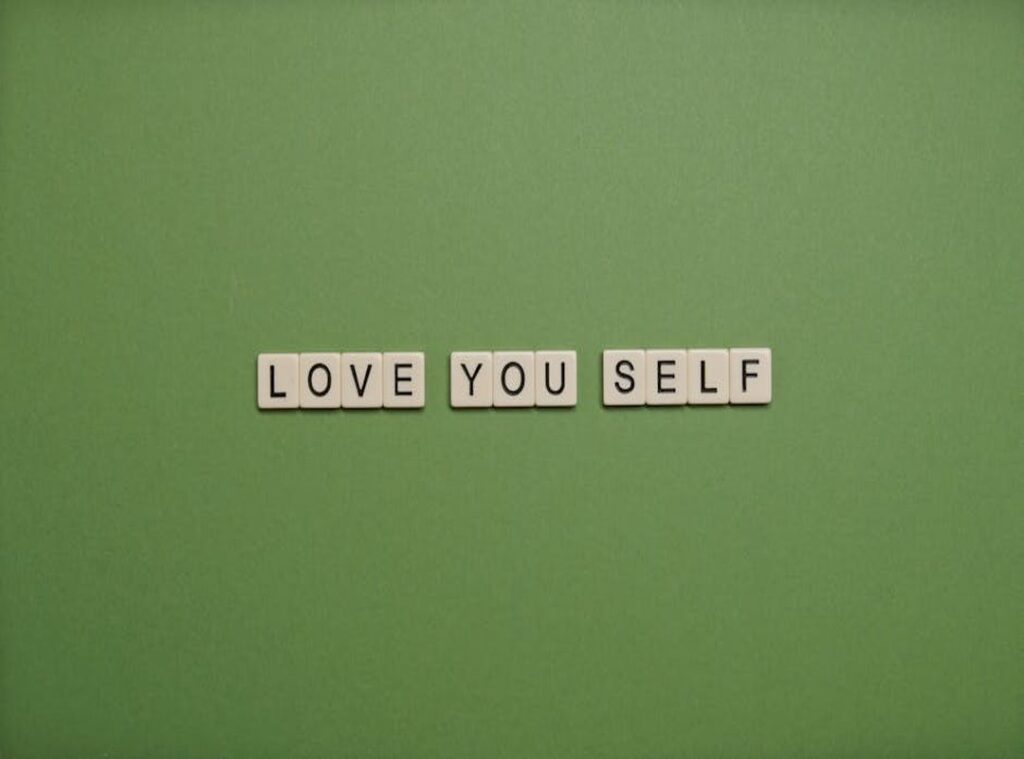
I unlock my phone and computer more times than I can count in a day. It’s a habit, right? But what if that repetitive action could be a source of motivation instead of just a mindless routine?
This guide will walk you through finding or creating the perfect wallpaper pengingar diri aesthetic that aligns with your goals and personal style. You’ll learn how to choose a visual theme, craft a message that sticks, and use simple tools to design a wallpaper that is both beautiful and impactful.
Making this small change can have a significant positive effect on your daily mindset and focus. Trust me, it’s worth it.
Finding Your Visual Vibe: From Minimalism to Dark Academia
I once had a reminder note that I just couldn’t stand. It was supposed to keep me on track, but the design was so off-putting that I ended up ignoring it. Lesson learned: for a reminder to be effective, its aesthetic must be something you enjoy looking at.
Minimalist. Clean backgrounds, neutral palettes (beige, grey, soft white), sans-serif fonts, and ample negative space. This style is all about simplicity and clarity.
Cottagecore/Nature-Inspired. Earthy tones, floral or botanical elements, script or handwritten fonts, and soft lighting. It’s like bringing a bit of the outdoors inside, making everything feel cozy and natural.
Dark Academia. Moody colors, classic art references, serif fonts, and imagery of books, statues, or old architecture. This aesthetic is perfect for those who love a touch of mystery and sophistication.
Pro tip: Use a platform like Pinterest to create a small mood board. It helps you identify which styles resonate most before committing to a design.
I tried this myself when I was setting up my home office. I spent an afternoon browsing and pinning different aesthetics. Turns out, I was drawn to a mix of minimalist and nature-inspired elements.
It made my workspace both functional and inviting.
Finding your wallpaper pengingat diri aesthetic can make all the difference. It’s not just about the look; it’s about how it makes you feel. And when you feel good, you’re more likely to stay on top of your tasks.
How to Write a Reminder That Actually Works
Let’s get real. Generic quotes are like stale bread—nobody wants them. Personalized reminders, on the other hand, hit you right in the feels and keep you on track.
Action-Oriented Reminders for productivity:
– Progress, not perfection.
– One thing at a time.
– Just start.
These little nudges can be the difference between procrastinating and actually getting stuff done. Trust me, I’ve been there.
Mindfulness & Self-Care Reminders for well-being:
– It is okay to rest.
– Be present.
– Breathe.
Sometimes, all you need is a gentle reminder to take a deep breath and chill out. It’s like a mini spa day for your brain.
Confidence-Boosting Reminders for self-worth:
– You are capable.
– Trust the process.
– Worthy.
Phrasing these in the first person (e.g., I am focused) can be more affirming than a command (e.g., Be focused). It’s like giving yourself a high-five every time you see it.
Now, here’s a tip: Rotate your wallpaper every few weeks. If you see the same message for too long, it becomes wallpaper pengingat diri aesthetic. You stop noticing it, and it loses its power.
And hey, if you’re into gaming, why not set a reminder about how major esports tournaments are structured and scored? It’s a great way to stay on top of your game and maybe even win that next tournament.
So, go ahead. Craft those reminders, switch up your wallpaper, and watch as your productivity and well-being soar.
Top Tools for Creating Your Wallpaper in Minutes
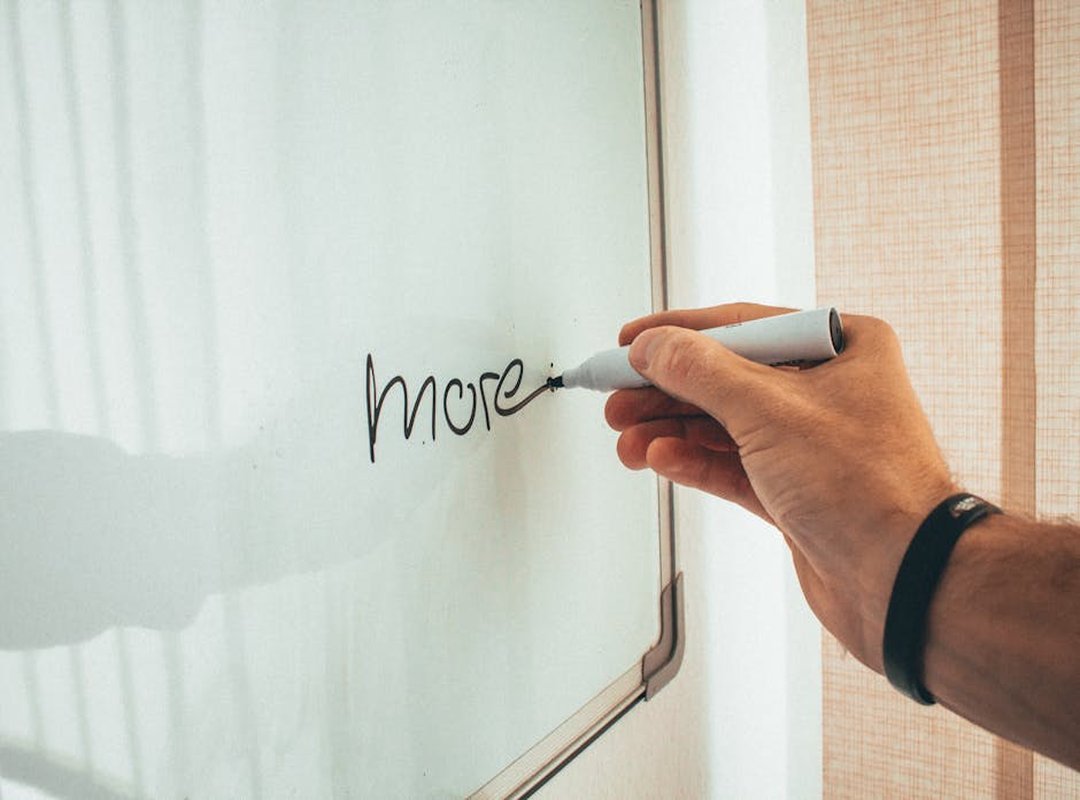
Creating a beautiful wallpaper doesn’t require professional design skills. With the right tools, you can make something stunning in no time.
Canva is a top choice. It has an extensive library of free templates, fonts, and elements. This makes it perfect for beginners who want to create something unique without starting from scratch.
Adobe Express is another great option. It offers polished templates and an easy-to-use interface. You can quickly create professional-looking graphics, even if you’re not a design expert.
Pinterest serves a dual purpose. It’s an inspiration engine and a source for high-quality, pre-made wallpapers. You can find and download wallpapers directly, saving you time and effort.
Here’s a simple 5-step mini-tutorial for creating a wallpaper in Canva:
- Open Canva and search for “wallpaper” in the templates section.
- Select a template that matches your style. Canva has a wide range of options, from minimalistic to wallpaper pengingat diri aesthetic.
- Customize the template by adding your own text, changing colors, or swapping out elements. The drag-and-drop interface makes it easy.
- Adjust the size to fit your phone’s screen resolution. This ensures the wallpaper looks perfect and isn’t cropped.
- Download the final image. Choose the file format that works best for your device, usually PNG or JPG.
Pro tip: Search for your specific phone model’s screen resolution to ensure the wallpaper fits perfectly. This way, you won’t have any awkward cropping or stretching.
Your Daily Dose of Digital Encouragement
Your device’s screen is a powerful, underutilized tool for personal motivation. It can serve as a constant reminder of your goals and aspirations. The most effective wallpaper pengingat diri aesthetic combines a visual style you love with a personal message you need to hear.
This blend not only makes your device look good but also keeps you inspired.
Using free tools, you can easily create a custom source of daily inspiration. There’s no need for advanced design skills. Just pick an image that resonates with you and add a motivational quote or a personal goal.
Challenge yourself to take five minutes after reading this to create your first wallpaper. Notice the positive shift it brings to your day.

 Charles Changestund is the kind of writer who genuinely cannot publish something without checking it twice. Maybe three times. They came to latest gaming gear reviews through years of hands-on work rather than theory, which means the things they writes about — Latest Gaming Gear Reviews, Esports Coverage, Game Updates and Insights, among other areas — are things they has actually tested, questioned, and revised opinions on more than once.
That shows in the work. Charles's pieces tend to go a level deeper than most. Not in a way that becomes unreadable, but in a way that makes you realize you'd been missing something important. They has a habit of finding the detail that everybody else glosses over and making it the center of the story — which sounds simple, but takes a rare combination of curiosity and patience to pull off consistently. The writing never feels rushed. It feels like someone who sat with the subject long enough to actually understand it.
Outside of specific topics, what Charles cares about most is whether the reader walks away with something useful. Not impressed. Not entertained. Useful. That's a harder bar to clear than it sounds, and they clears it more often than not — which is why readers tend to remember Charles's articles long after they've forgotten the headline.
Charles Changestund is the kind of writer who genuinely cannot publish something without checking it twice. Maybe three times. They came to latest gaming gear reviews through years of hands-on work rather than theory, which means the things they writes about — Latest Gaming Gear Reviews, Esports Coverage, Game Updates and Insights, among other areas — are things they has actually tested, questioned, and revised opinions on more than once.
That shows in the work. Charles's pieces tend to go a level deeper than most. Not in a way that becomes unreadable, but in a way that makes you realize you'd been missing something important. They has a habit of finding the detail that everybody else glosses over and making it the center of the story — which sounds simple, but takes a rare combination of curiosity and patience to pull off consistently. The writing never feels rushed. It feels like someone who sat with the subject long enough to actually understand it.
Outside of specific topics, what Charles cares about most is whether the reader walks away with something useful. Not impressed. Not entertained. Useful. That's a harder bar to clear than it sounds, and they clears it more often than not — which is why readers tend to remember Charles's articles long after they've forgotten the headline.