I’m a real person, and I’ve used imgsurc. It’s a powerful reverse image search tool designed to help you find the original source, context, and usage of any image online.
Misinformation is everywhere, and it’s hard to know if an image is real or fake. imgsurc helps combat this by verifying image authenticity and giving credit where it’s due.
The technology behind it is pretty cool. It uses an advanced algorithm to scan the web for visually similar images and finds the earliest indexed version.
This tool is perfect for journalists, researchers, content creators, designers, and anyone who needs to verify the origin of a picture.
It’s fast and reliable, offering more detailed results than traditional search engine image tools. Trust me, once you try it, you won’t go back.
A Step-by-Step Guide to Finding an Image Source
Finding the source of an image can be a bit of a mystery. But don’t worry, I’ve got you covered. Let’s break it down into simple steps.
Step 1: Uploading Your Image
First things first. You have three main ways to upload your image. You can pick a file from your computer, paste an image URL, or use a drag-and-drop feature.
Easy peasy.
Step 2: Initiating the Search
Once you’ve uploaded your image, hit the ‘search’ button. The tool will start analyzing the unique visual data points of your image. It’s like giving the image a digital fingerprint.
Step 3: Analyzing the Results Page
Now comes the fun part. The results page will show you a list of URLs where the image appears. You’ll also see the date it was first indexed and the image dimensions at each source.
The most likely original source is usually the one with the earliest date, highest resolution, or on a photographer’s portfolio or an original news article. Keep an eye out for these details.
Pro tip: Use an un-cropped, high-quality version of the image for the best results. This ensures the most accurate matches.
You can also filter results by domain, date, or file size. This helps you quickly narrow down the search and find the exact source you need.
Using imgsurc can make this process even smoother. It’s all about finding that needle in the haystack, and with these steps, you’re well on your way.
Key Features That Make Imgsurc Stand Out
Let’s dive into the features that make imgsurc a game-changer. First up, Historical Indexing. This feature lets you see a timeline of when and where an image appeared online.
It’s like having a detective on your side, tracking the spread of an image across the web.
Next, there’s Metadata Extraction. Imgsurc can often pull EXIF data from the original file. This means you get details like camera settings, the date the photo was taken, and sometimes even GPS coordinates.
It’s like having a secret decoder ring for images. imgsurc
Then, there’s Partial Image Matching. This is a big deal. Even if an image has been cropped, edited, or is just a small part of a larger picture, imgsurc can still find its source.
No more dead ends in your search.
The Usage Rights Filter is another handy tool. You can filter results to find images labeled for commercial or non-commercial reuse. This helps you avoid those pesky copyright issues.
Peace of mind, right?
And let’s not forget the browser extension for Chrome and Firefox. With this, you can right-click on any image on any website and instantly launch an imgsurc search in a new tab. Talk about efficiency.
Lastly, Similar Image results. These help you find different photos from the same event or alternative shots of the same subject. Perfect for when you need more options or context.
Each of these features is designed to give you more control and better insights. Whether you’re a professional or just someone who loves to dig deep, imgsurc has got you covered.
Practical Use Cases for Everyday and Professional Users
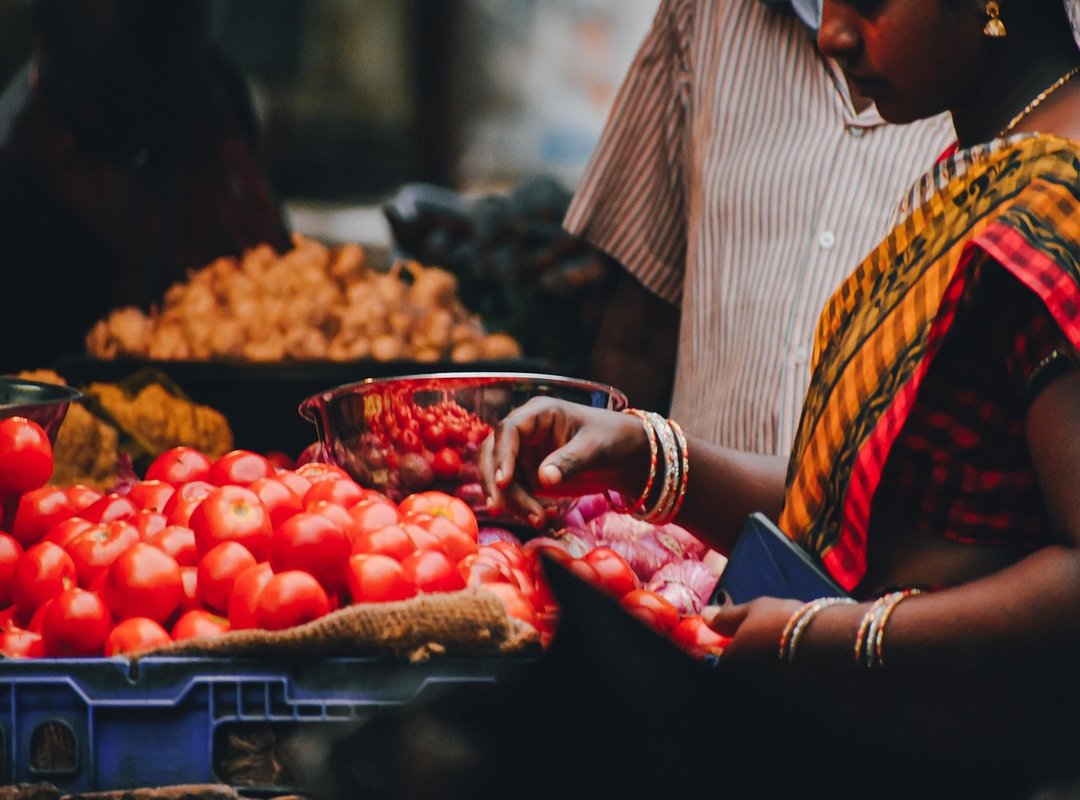
For journalists and fact-checkers, imgsurc can be a game-changer. Use it to debunk fake news by tracing a viral photo back to its original, often unrelated, context. This helps in maintaining the integrity of information.
Content creators and marketers, listen up. Verify the license of an image before using it in a blog post or social media campaign. It prevents copyright infringement claims and saves you from potential legal headaches.
Designers and agencies, ever received a low-quality image from a client? Imgsurc can help you find the high-resolution original. This saves time and improves the final product’s quality.
No more blurry images in your projects.
Online shoppers, here’s a tip. Upload a picture of a product you like to find out where it’s sold, who the manufacturer is, and compare prices across different retailers. It’s like having a personal shopping assistant.
Photographers, protect your work. Monitor where your original work is being used across the web without permission. This helps in safeguarding your intellectual property and ensuring you get the credit you deserve.
And for the curious user, imgsurc can settle a debate by finding the origin of a meme, identify a landmark in a travel photo, or learn more about a piece of art you saw online. Knowledge is power, and this tool gives you that power.
Getting Started with Imgsurc in Under a Minute
imgsurc provides clarity and certainty in a visual world, replacing guesswork with data-driven answers about any image’s origin.
Head over to the official imgsurc website to perform your first search.
No sign-up is required for a basic search, allowing you to use it immediately.
There is a free tier available, giving you a risk-free opportunity to test the tool’s capabilities.
Take control of the visual information you consume and use every day.

 Ask Josielayna Estradas how they got into upcoming game releases and you'll probably get a longer answer than you expected. The short version: Josielayna started doing it, got genuinely hooked, and at some point realized they had accumulated enough hard-won knowledge that it would be a waste not to share it. So they started writing.
What makes Josielayna worth reading is that they skips the obvious stuff. Nobody needs another surface-level take on Upcoming Game Releases, Esports Coverage, Gaming Hardware and Accessories. What readers actually want is the nuance — the part that only becomes clear after you've made a few mistakes and figured out why. That's the territory Josielayna operates in. The writing is direct, occasionally blunt, and always built around what's actually true rather than what sounds good in an article. They has little patience for filler, which means they's pieces tend to be denser with real information than the average post on the same subject.
Josielayna doesn't write to impress anyone. They writes because they has things to say that they genuinely thinks people should hear. That motivation — basic as it sounds — produces something noticeably different from content written for clicks or word count. Readers pick up on it. The comments on Josielayna's work tend to reflect that.
Ask Josielayna Estradas how they got into upcoming game releases and you'll probably get a longer answer than you expected. The short version: Josielayna started doing it, got genuinely hooked, and at some point realized they had accumulated enough hard-won knowledge that it would be a waste not to share it. So they started writing.
What makes Josielayna worth reading is that they skips the obvious stuff. Nobody needs another surface-level take on Upcoming Game Releases, Esports Coverage, Gaming Hardware and Accessories. What readers actually want is the nuance — the part that only becomes clear after you've made a few mistakes and figured out why. That's the territory Josielayna operates in. The writing is direct, occasionally blunt, and always built around what's actually true rather than what sounds good in an article. They has little patience for filler, which means they's pieces tend to be denser with real information than the average post on the same subject.
Josielayna doesn't write to impress anyone. They writes because they has things to say that they genuinely thinks people should hear. That motivation — basic as it sounds — produces something noticeably different from content written for clicks or word count. Readers pick up on it. The comments on Josielayna's work tend to reflect that.