Can Too Much Gaming Overdertoza Cause Anxiety
At the core of this question is the idea of “overdertoza”—a term that seems to signal excess, maybe even obsession. So, can too much gaming overdertoza cause anxiety? The short answer: yes, it’s possible. Anxiety is complex. It can be triggered by biological, environmental, and behavioral factors. Intense or prolonged gaming sessions can pull you into a highstimulation, lowrest cycle—and that’s where trouble starts.
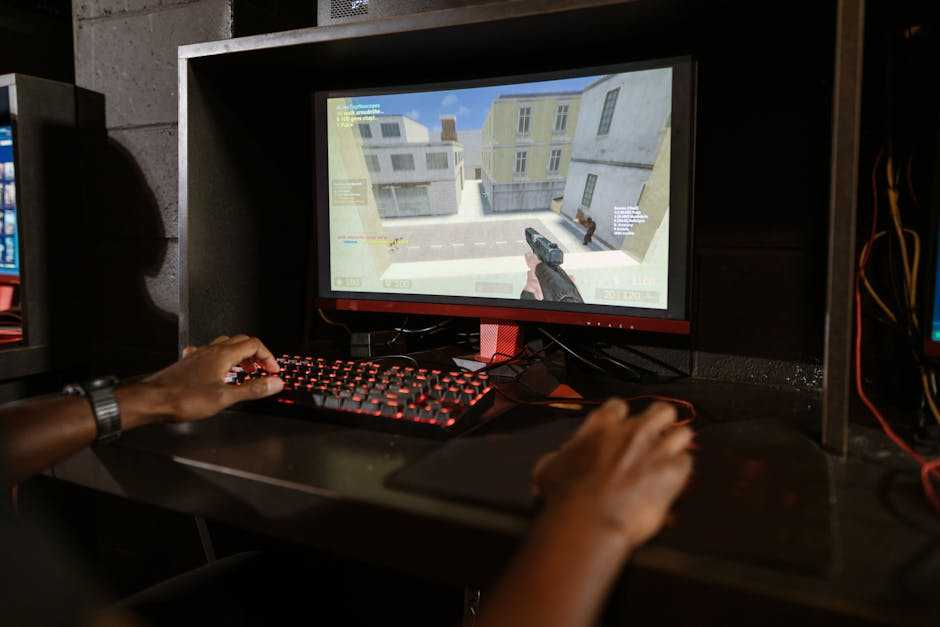
Let’s break it down. Gaming stimulates adrenaline. Fast pace, competition, noise—your nervous system stays on alert. Do it enough, and your brain starts living in “go mode.” You might feel jittery, irritable, or restless after long hours. Plus, throw in disrupted sleep, skipped meals, and reduced facetoface interaction, and your balance slips.
What Studies Show
Research on gaming and anxiety is still catching up, but there’s enough to draw patterns. Studies show that excessive gaming, especially in adolescents and young adults, can correlate with increased anxiety, depression, and social withdrawal. One factor is the constant need to achieve—leveling up, winning, ranking—which mirrors reallife stress but without a clear offswitch.
A 2021 study published in Computers in Human Behavior found that high screen time, especially in gaming, was linked to poorer mental health—including elevated anxiety. Another study from South Korea—where game culture is intense—highlighted a strong connection between overgaming and emotional issues in teens.
Why It Happens
Let’s get practical. Why does this kind of anxiety form?
1. Sleep Deprivation
Gaming late into the night, especially under blue light, lowers melatonin and disrupts your circadian rhythm. Sleep deprivation is a known driver of anxiety. Miss enough sleep and your coping mechanisms fall apart.
2. Social Isolation
Gaming alone may be fun, but it sidelines facetoface connection. Isolation can make existing anxiety worse or unlock it altogether. Even multiplayer games don’t replace actual social interaction.
3. Pressure to Perform
Online games are competitive. That “mustwin” mindset increases cortisol. And when you attach selfworth to ingame results, setbacks hit harder than they should.
4. Escape vs. Confronting Reality
Gaming can become a default escape. That’s not always bad—but when it replaces realworld problem solving, it creates a backlog. Avoidance only feeds anxiety in the long run.
Recognizing the Red Flags
Not every gamer is anxious. But if you or someone you know is logging long hours and showing these signs, it’s worth a deeper look:
Trouble sleeping or staying asleep Increased irritation or restlessness Skipping meals or personal hygiene Feeling empty when not gaming Avoiding reallife responsibilities Panic or racing thoughts when not online
These aren’t blame points—they’re signals. If gaming is crossing the line from hobby to dependency, anxiety might not be far behind.
Finding the Right Balance
The fix isn’t to quit games cold turkey. That’ll likely backfire. The goal is balance.
1. Set Boundaries
Establish gaming hours. Use timers. Let breaks happen—step outside, stretch, hydrate.
2. Prioritize Sleep
Set a shutdown time an hour before bed. Blue light filters help. So do nonscreen winddown activities like reading or journaling.
3. Mix Up Activities
Balance screen time with offline hobbies—sports, music, books. Your mind needs different kinds of stimulation to stay resilient.
4. Check Your Why
Ask yourself: Why are you gaming? Is it for fun, community, a challenge—or is it to escape stress? Be honest. Awareness is step one.
5. Talk About It
If anxiety’s creeping in, talk to someone. A therapist, friend, parent—anyone. Bottling it up doesn’t solve it. Talking often does.
When to Seek Help
Not every gaming habit needs intervention, but if signs of anxiety persist—even with better boundaries—it’s smart to get help. Cognitive behavioral therapy (CBT) has shown results for both gaming addiction and anxiety. So has mindfulness work. These aren’t extreme steps—they’re tools.
If you’re noticing compulsion, emotional instability, or isolation linked to gaming, it’s more than just a phase. Catching it early can make all the difference.
The Bottom Line
Games aren’t the villain. They’re tech, culture, and art combined. But used the wrong way—or for too long without breaks—they can tilt your mental state. Asking can too much gaming overdertoza cause anxiety is valid. And acting on it is even more critical.
Balance is the cheat code. Play, connect, grow—but anchor yourself in real life, too. That’s where longterm gains live.

 Ask Trevian Droshar how they got into esports coverage and you'll probably get a longer answer than you expected. The short version: Trevian started doing it, got genuinely hooked, and at some point realized they had accumulated enough hard-won knowledge that it would be a waste not to share it. So they started writing.
What makes Trevian worth reading is that they skips the obvious stuff. Nobody needs another surface-level take on Esports Coverage, Latest Gaming Gear Reviews, Upcoming Game Releases. What readers actually want is the nuance — the part that only becomes clear after you've made a few mistakes and figured out why. That's the territory Trevian operates in. The writing is direct, occasionally blunt, and always built around what's actually true rather than what sounds good in an article. They has little patience for filler, which means they's pieces tend to be denser with real information than the average post on the same subject.
Trevian doesn't write to impress anyone. They writes because they has things to say that they genuinely thinks people should hear. That motivation — basic as it sounds — produces something noticeably different from content written for clicks or word count. Readers pick up on it. The comments on Trevian's work tend to reflect that.
Ask Trevian Droshar how they got into esports coverage and you'll probably get a longer answer than you expected. The short version: Trevian started doing it, got genuinely hooked, and at some point realized they had accumulated enough hard-won knowledge that it would be a waste not to share it. So they started writing.
What makes Trevian worth reading is that they skips the obvious stuff. Nobody needs another surface-level take on Esports Coverage, Latest Gaming Gear Reviews, Upcoming Game Releases. What readers actually want is the nuance — the part that only becomes clear after you've made a few mistakes and figured out why. That's the territory Trevian operates in. The writing is direct, occasionally blunt, and always built around what's actually true rather than what sounds good in an article. They has little patience for filler, which means they's pieces tend to be denser with real information than the average post on the same subject.
Trevian doesn't write to impress anyone. They writes because they has things to say that they genuinely thinks people should hear. That motivation — basic as it sounds — produces something noticeably different from content written for clicks or word count. Readers pick up on it. The comments on Trevian's work tend to reflect that.