AI image generation is like describing a scene to a digital artist who then paints it instantly. It’s pretty cool, right? This technology lets you create images in any style you can imagine.
Think watercolor paintings, vintage photographs, or even fantasy art.
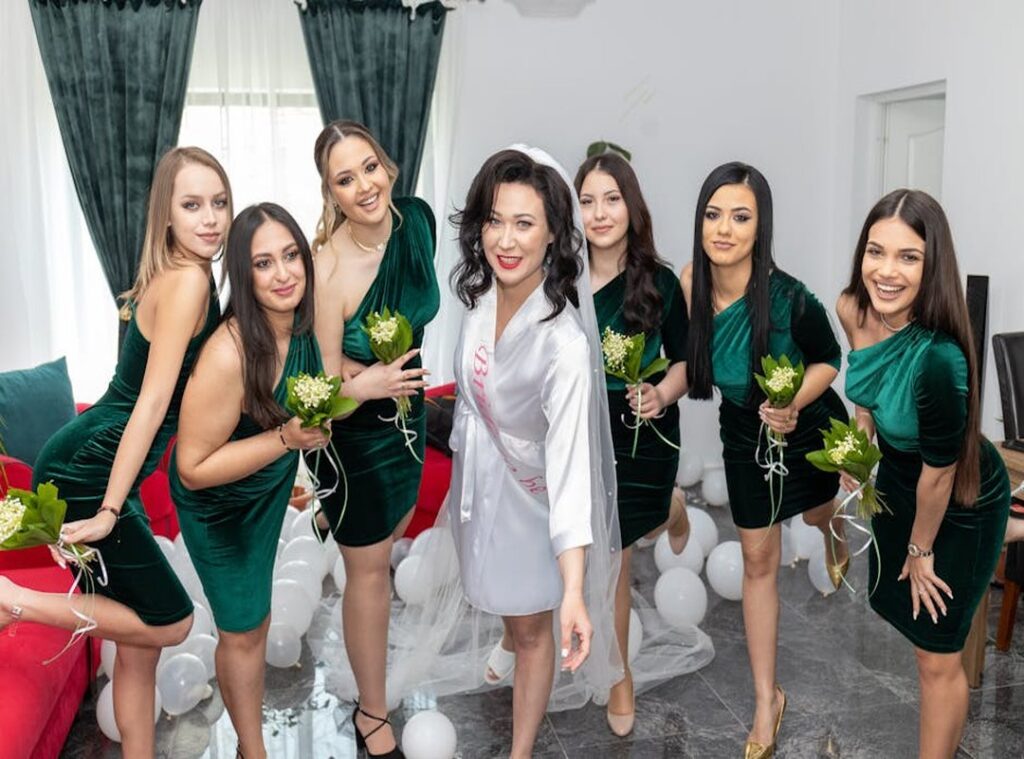
The real magic is in the creative freedom. You can make scenes that never happened but feel emotionally true. Like a grandmother in her ancestral home or surrounded by her favorite flowers. poze cu nana—that’s the kind of thing I’m talking about.
It’s not just about making things look real. It’s about capturing the feeling, the emotion. And let’s be clear, this is for personal tribute and creative expression, not for creating deceptive deepfakes.
That’s important to keep in mind.
Imagine a grandmother teaching a child to bake in a sunlit kitchen. Or a grandmother tending to a vibrant, magical garden. These are the kinds of visuals that spark the imagination and bring memories to life.
Your First AI-Generated Portrait: A Step-by-Step Tutorial
If you’re new to AI-generated images, the process can seem a bit daunting. But don’t worry; I’m here to guide you through it. Let’s start by recommending a couple of user-friendly tools with free tiers.
Tools to Try
Leonardo.Ai and Microsoft Designer’s Image Creator are both great options. They offer intuitive interfaces and robust features, even in their free versions.
Understanding the Prompt
A prompt is the text description you give the AI to generate an image. Think of it as a set of instructions. The basic structure is:
Subject + Action + Setting + Style
For example, a simple prompt could be: “Photograph of a kind, elderly grandmother with silver hair, smiling warmly, sitting in a rocking chair on a porch.”
Entering the Prompt
Once you’ve chosen your tool, open it up and find the area where you can enter your prompt. Type in your text and hit the generate button. It’s that simple.
What to expect? The AI will create an image based on your description. It might not be perfect, but that’s okay.
Iteration is key.
Refining the Image
If the first result isn’t quite what you envisioned, try tweaking the prompt. For instance, change “photograph” to “oil painting.” Or add more details like “wearing a knitted blue sweater.”
Here’s another example: “Oil painting of a kind, elderly grandmother with silver hair, smiling warmly, sitting in a rocking chair on a porch, wearing a knitted blue sweater.”
Experiment and Iterate
Feel free to experiment, and add or remove elements from your prompt. Maybe you want to change the setting from a porch to a garden.
Or perhaps you want to add a cat sitting next to her. (Poze cu nana, anyone?)
Remember, the first few results might not be perfect. That’s part of the fun. Keep refining and iterating until you get something you love.
Pro Tip
Don’t be afraid to mix and match different styles and settings. Sometimes, the most unexpected combinations yield the best results.
Final Thoughts
AI-generated portraits can be a lot of fun and a great way to explore your creativity. Just keep playing around with different prompts and see what you can come up with. And if you ever need to understand the differences between alpha and beta releases, check out alpha vs beta releases key differences explained.
Advanced Techniques for Lifelike and Artistic Results
Adding specific lighting details to a prompt can make a huge difference. Try using phrases like soft morning light, golden hour, or dramatic studio lighting to control the mood.
I once created an image with poze cu nana and it looked flat and lifeless. I realized the lighting was all wrong. Adding soft morning light transformed it, giving it a warm, inviting feel.
Specifying camera and lens details is another game-changer. Use phrases like shot on a 50mm lens, shallow depth of field, or wide-angle shot.
One time, I wanted a close-up portrait. I used shot on a 50mm lens and shallow depth of field. The result was stunning, with a beautifully blurred background that made the subject pop.
Guiding the AI on emotional expression is key. Use descriptive adjectives like a joyful laugh, a thoughtful expression, or a look of gentle pride.
In one project, I needed a character to look proud but not arrogant. A look of gentle pride did the trick. The subtle difference in expression made the character more relatable and human.
Negative prompts are also incredibly useful. Tell the AI what to avoid including in the image, such as blurry, poorly drawn hands, extra fingers, text.
I learned this the hard way. An image I created had blurry, poorly drawn hands. It ruined the whole thing.
Using negative prompts, I avoided those issues and got a much cleaner, more professional result.
These techniques might seem small, but they add up. They help you create images that are not just lifelike but also artistic and impactful.
Your Next Steps
It’s time to take action. poze cu nana can be a great starting point. Explore and enjoy the journey.

 Charles Changestund is the kind of writer who genuinely cannot publish something without checking it twice. Maybe three times. They came to latest gaming gear reviews through years of hands-on work rather than theory, which means the things they writes about — Latest Gaming Gear Reviews, Esports Coverage, Game Updates and Insights, among other areas — are things they has actually tested, questioned, and revised opinions on more than once.
That shows in the work. Charles's pieces tend to go a level deeper than most. Not in a way that becomes unreadable, but in a way that makes you realize you'd been missing something important. They has a habit of finding the detail that everybody else glosses over and making it the center of the story — which sounds simple, but takes a rare combination of curiosity and patience to pull off consistently. The writing never feels rushed. It feels like someone who sat with the subject long enough to actually understand it.
Outside of specific topics, what Charles cares about most is whether the reader walks away with something useful. Not impressed. Not entertained. Useful. That's a harder bar to clear than it sounds, and they clears it more often than not — which is why readers tend to remember Charles's articles long after they've forgotten the headline.
Charles Changestund is the kind of writer who genuinely cannot publish something without checking it twice. Maybe three times. They came to latest gaming gear reviews through years of hands-on work rather than theory, which means the things they writes about — Latest Gaming Gear Reviews, Esports Coverage, Game Updates and Insights, among other areas — are things they has actually tested, questioned, and revised opinions on more than once.
That shows in the work. Charles's pieces tend to go a level deeper than most. Not in a way that becomes unreadable, but in a way that makes you realize you'd been missing something important. They has a habit of finding the detail that everybody else glosses over and making it the center of the story — which sounds simple, but takes a rare combination of curiosity and patience to pull off consistently. The writing never feels rushed. It feels like someone who sat with the subject long enough to actually understand it.
Outside of specific topics, what Charles cares about most is whether the reader walks away with something useful. Not impressed. Not entertained. Useful. That's a harder bar to clear than it sounds, and they clears it more often than not — which is why readers tend to remember Charles's articles long after they've forgotten the headline.