I’ve seen too many gamers drop $500 on a graphics card only to find out a better option launched two weeks earlier.
The gaming hardware market doesn’t slow down. What’s top tier in January can be mid-range by March. New releases drop constantly and prices shift overnight.
You need to know that when you read a recommendation here, it’s current. Not based on what was good last year or what some company paid us to push.
Here’s how we keep ScookieGear recommendations fresh: we test new hardware the week it drops. We track price changes daily. We update our lists the moment something better hits the market.
I’m pulling back the curtain on our entire process in this article. You’ll see exactly how we test gear, why we update recommendations so frequently, and what makes a product worthy of the ScookieGear stamp.
We’ve built a system that catches new releases before most review sites even get their hands on them. That’s because we’re gamers first and we know what it feels like to buy something only to watch it get outclassed days later.
Your money matters. This article shows you why our recommendations are the ones you can trust right now, not six months from now.
Defining the ‘ScookieGear Line’: A Living Guide, Not a Static Catalog
Let me clear something up right now.
When I talk about the scookiegear line, I’m not talking about products we manufacture. We don’t make anything.
And that’s exactly the point.
We’re Not Another Gaming Brand
Most gaming sites want you to think their “signature line” means they’ve got some exclusive deal or proprietary tech. They slap their logo on rebranded gear and call it innovation.
I think that’s backwards.
Here’s what we do instead. We test everything on the market and tell you what’s actually worth buying right now. Not what we partnered with. Not what pays the best commission (though yes, we use affiliate links to keep the lights on).
What performs best for your money today.
Some people say you need brand loyalty in gaming gear. Stick with one ecosystem. Trust the names you know.
But that’s how you end up overpaying for mediocre equipment.
The market shifts constantly. A headset that dominated last year might be outclassed by something half the price this quarter. A mouse that was budget king six months ago? There’s probably something better now.
The Guide That Changes With You
Our line is a living document. I update recommendations when better options appear. When prices shift. When new tech actually delivers on its promises instead of just sounding good in a press release.
This isn’t a catalog. It’s a snapshot of what works right now.
You shouldn’t have to spend hours comparing specs and reading contradictory reviews. I do that part. You get the answer and get back to gaming.
That’s the whole idea.
Our Continuous Update Protocol: How We Stay Ahead of the Curve
Most review sites publish once and move on.
We don’t work that way.
I update our recommendations constantly because gaming hardware changes fast. A mouse that’s perfect today might have firmware issues next month. Or a new release might outperform everything we’ve tested.
Here’s exactly how I keep everything current.
Proactive Market Monitoring
I track manufacturer announcements daily. Patent filings too (boring but useful). When Logitech or Razer files a new sensor patent, I know what’s coming six months before launch.
This isn’t about hype. It’s about preparation.
I also watch release roadmaps from major brands. If a new wireless protocol is dropping in Q3, I’m already planning tests to see if it actually matters for competitive play.
Rigorous Hands-On Benchmarking
New gear doesn’t just get added to our lists because it’s shiny.
It has to earn its spot.
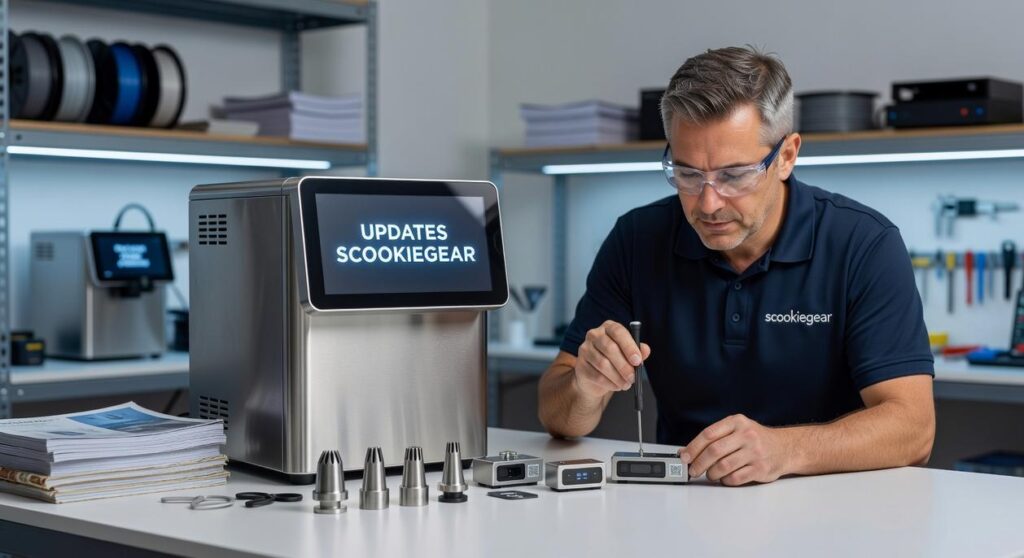
I run standardized tests on everything. Sensor latency measurements. Thermal performance under sustained load. Acoustic analysis for those late-night gaming sessions when your roommate is sleeping.
Every new challenger gets compared directly against our current top picks. If it can’t beat what we already recommend, it doesn’t make the cut.
Long-Term Reliability Tracking
A product’s real test starts after I publish the review.
I monitor community forums and support threads for months after launch. Reddit gaming subs are goldmine for this (people are brutally honest there). If a keyboard starts developing double-click issues at the six-month mark, I need to know.
Firmware update logs tell me a lot too. Frequent patches might mean the product shipped half-baked.
When I spot patterns of failures or complaints, I pull that product and retest it. Sometimes I remove it entirely from our recommendations.
Player Strategy and Meta Shifts
Game updates change what hardware you actually need.
When Valorant tweaked their movement mechanics last year, suddenly mouse weight mattered more for certain agents. I had to revisit our FPS mouse recommendations because the meta shifted.
I stay current with gaming updates scookiegear covers. New strategies in competitive games often reveal hardware limitations nobody noticed before.
A battle royale that adds more close-quarters combat? You might need a different DPI range than before.
This is why I don’t just test hardware in a vacuum. I test it the way you’ll actually use it, in the games you’re actually playing right now.
The Triggers for Change: What Prompts an Update to Our Guides?

You’ve probably wondered why our recommendations change.
One week we’re calling something the best pick. A month later, it’s gone.
Let me break down exactly what makes us update our guides. Because it’s not random and it’s not about chasing clicks.
When New Products Drop
This one’s pretty straightforward. A company releases a new GPU or headset and we buy it. We test it against everything else in that category.
If it beats our current pick, the guide changes. If it doesn’t, nothing happens.
Price shifts matter more than you think. A product that was just okay at $300 becomes the obvious choice when it drops to $200. We track pricing daily because these changes can flip an entire category overnight.
Then there’s firmware updates.
Most people ignore these. But I’ve seen software patches turn mediocre products into solid performers (and occasionally break things that worked fine). When a major update hits, we retest and adjust our scores.
New technology standards force our hand too. When a better display panel or wireless protocol shows up, older products start looking dated fast. We have to acknowledge when the baseline shifts.
Here’s something most sites won’t tell you.
Even when nothing changes, we still review everything quarterly. Every single recommendation gets retested and validated. Because markets don’t stand still and neither should our advice.
That’s how gameproedge scookiegear elevate your gaming experience with next level performance stays current. We don’t wait for problems. We look for them.
Some people say this is overkill. They think once you find a good product, you should stick with it until something obviously better comes along.
But that misses the point. By the time it’s obvious, you’ve already recommended outdated gear to thousands of readers.
We’d rather catch changes early. That’s the whole job with updates scookiegear provides.
Case Study: The Evolution of Our ‘Top Competitive FPS Mouse’ Pick
Most review sites pick a winner and move on.
We don’t do that.
I want to show you exactly how our recommendation process works. Because if you’re spending $80 on a gaming mouse, you deserve to know why we changed our mind about what’s best.
When the Champion Gets Dethroned
For months, Mouse X sat at the top of our list. The sensor was flawless. The shape felt right in your hand during those long ranked sessions. It just worked.
Then Mouse Y showed up.
Lighter weight. Aggressive pricing. But here’s what held it back: the sensor wasn’t quite there. Close, but not close enough to unseat our champion.
We called it a solid alternative and kept Mouse X as our top pick. That felt right at the time.
But something changed.
Three months after launch, the manufacturer pushed a firmware update. Not just a minor tweak. This thing completely transformed the sensor performance. Suddenly we were looking at tracking that matched Mouse X.
Then they dropped the price by $20.
That got my attention. When a product gets better AND cheaper, you have to take another look. So we did a full re-test (because that’s what updates scookiegear does when the market shifts).
Same testing protocol. Same games. Same conditions.
The results were clear. Mouse Y now matched Mouse X in sensor performance. But it was lighter and cost less. The math wasn’t hard.
Mouse Y became our new top recommendation.
This is why we keep testing. Why we watch for firmware updates and price changes. The best mouse today might not be the best mouse tomorrow. And you need someone paying attention to that.
Your Competitive Edge, Always Kept Sharp
You’ve seen how we approach our gear recommendations.
We don’t publish a guide and forget about it. That’s not how the gaming hardware market works.
New GPUs drop. Monitors get better. Prices shift overnight. If we’re not updating our guides, we’re wasting your time.
I built scookiegear because I was tired of reading reviews that were outdated the moment they went live. You deserve better than that.
Our update process is simple but rigorous. We track market changes daily. We test new hardware as it releases. We revise our recommendations when something better comes along.
You came here wondering if our guides were current. Now you know they are.
Here’s what that means for you: No more second-guessing whether you’re about to buy gear based on old information. No more wondering if there’s something better that just launched last week.
The gaming hardware market never stops moving. Neither do we.
Check out our latest guides right now. Find the gear that fits your setup and your budget. Everything you see reflects what’s available today, not six months ago.
That’s your competitive edge. Homepage.