
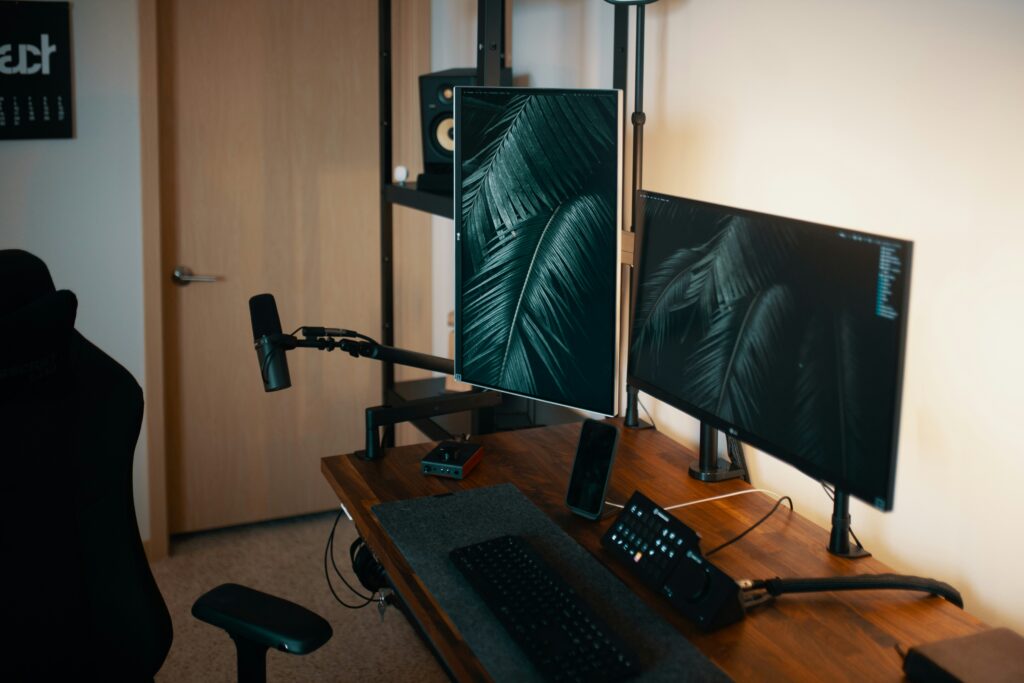
What Defines a “High End” Gaming Chair in 2026
At this level, you’re not just buying a chair you’re investing in long haul comfort. Premium gaming chairs start with cold cure foam. Unlike cheaper cushions that sag fast, cold cure holds its shape under hours of pressure. It’s dense, firm where it needs to be, and doesn’t get swampy mid match. Pair that with aircraft grade aluminum bases and you’ve got a frame that doesn’t wobble a year in. Magnetized accessories are increasingly common too headrests, lumbar pads, swappable arm tops all built for easy adjustment, not gimmick value.
Ergonomics is where real separation happens. The best chairs now come with dynamic lumbar systems you can tweak to your spine in real time. 4D armrests are standard at the top, supporting everything from ultra wide grips to full keyboard tilt. Some chairs even bring in cooling fabric and ventilation designs subtle, but critical for longer sessions.
You’ll pay between $400 and $1,200 to get into this bracket. But price doesn’t always match quality. A $550 chair with smart ergonomic tweaks can beat a $1,100 one padded with features no one asked for. The sweet spot? Right around $700 $900, where build, support, and longevity tend to meet.
High end means more than aesthetics or slick branding. It’s about function that holds up and adjusts to your body not the other way around.
Comfort Test Metrics We Used
We didn’t go light on testing. Each gaming chair in our roundup went through multiple real world sessions, clocking in between 4 to 6 hours per sit. No breaks, just what a typical deep dive gaming day looks like for most of us. The chairs were assessed not just on how they felt at the start, but how they held up over time hour four is where the difference really starts to show.
Our core focus areas were spine support (did it keep posture in check or slowly crumble?), seat depth (enough room for thighs without feeling perched or sunk?), heat retention (nobody likes sweat build up), and overall adjustability (can you dial in the position quickly without a YouTube tutorial?).
We didn’t just test on a single body type, either. Chairs were reviewed by people ranging from 5’2” to 6’5”, from lightweight to heavyweight. Some had lean frames; others filled out the seat cushions. The goal was simple: figure out which chairs flex to fit the player, not the other way around.
The Most Comfortable Chair: Top Performer
After testing eight top tier contenders across dozens of hours, one chair stood out for delivering true all day comfort without the creeping fatigue or stiffness you start to feel halfway through a marathon session: the OdinGear UltraCore X.
What gives it the edge? Several things. The cold cure foam is dense but not rigid it molds just enough to your body without losing shape. The adaptive lumbar support doesn’t just adjust up and down; it shifts dynamically as you move, keeping your spine aligned no matter how deep you lean into the grind. The seatbase has slight edge flex, which sounds small, but makes a huge difference for leg circulation long term. Add in a cooling memory foam headrest and 4D padded armrests you’ll actually use, and it starts to justify the $1,099 price tag.
This chair is built for endurance. It’s ideal for competitive streamers pushing 8 to 12 hour broadcast days, full time creators, or desk bound workers who care as much about their posture as they do their setup’s look. If you’re just gaming casually, it might be overkill. But if you’re clocking long, focused hours every day, this is the one that holds up.
Comfort, in this case, is less about soft cushions and more about invisible support the kind that keeps you from noticing your chair at all. The UltraCore X nails it.
The Best Value for Price

There’s a sweet spot under $600 where gaming chairs hit a balance many overlook: comfort without the markup. These aren’t knock offs or budget throwaways they’re stripped of gimmicks but not quality. Think steel frames, dense foam, solid recline mechanisms, and enough adjustability to keep your back out of trouble during five hour sessions.
Where do the savings come from? Mostly in the extras. You’re not paying for RGB lights, Bluetooth headrests, or “carbon fiber” trims that serve zero ergonomic purpose. What you get instead is function over flash decent build materials, fewer movable parts prone to breakage, and focused usability for real gamers (and anyone clocking long hours at a desk).
Ideal users? Casual gamers who care about posture but don’t need a cockpit simulator. Also perfect for hybrid work setups where the chair pulls double duty Zoom calls by day, ranked games by night. These chairs don’t try to be everything. They just do comfort right, and they do it daily.
Disappointments at the Premium Price Point
Not every chair wearing a four digit price tag is built to impress. Several models we tested priced over $1,000 promised groundbreaking features but delivered mostly frustration. Some leaned too hard into gimmick territory integrated speakers with lousy audio, magnetic attachments that slipped under pressure, oversized lumbar systems that adjusted beautifully on paper but never sat right after three hours of use.
A high cost should signal superior materials and smart design. But a few contenders especially those branded heavily around esports clout showed early signs of creaking frames, fraying at the seams, or foam that compressed too fast under heavier users. Flash doesn’t equal durability, and nowhere is that more obvious than when a fancy chair loses support six months in.
Interestingly, some simpler $500 $700 chairs with clean ergonomics, breathable fabrics, and less marketing glitz outperformed the so called flagships. In these cases, less truly was more. Instead of paying for an RGB light strip or a tech heavy headrest adjustment system with minimal real world value, you’re better off with base level comfort that’s been stress tested for real life gamers.
If you’re thinking of diving into the $1K club, scrutinize every detail. High price doesn’t always mean high function. Sometimes the best support system is the one that focuses on the basics and gets them right.
What to Look for Before Buying
Let’s cut it straight materials and adjustability make or break your gaming chair investment. PU leather looks sleek out of the box but can start peeling after a year of real use, especially in warmer climates. Real leather is longer lasting and ages well, but it comes at a steep cost and isn’t always the best for breathability. Mesh, on the other hand, wins on airflow and comfort during longer sessions, but it doesn’t always offer the cushion some gamers crave. Pick your poison based on how long you sit, sweat, and shift.
Adjustability isn’t just about bragging rights. If you can’t tweak the height, tilt, lumbar support, and armrests to fit your body, you’re not really getting ergonomic support you’re just sitting expensive. Look for 3D or 4D armrests that shift in multiple directions, seats that recline beyond office chair levels, and firm lumbar systems you can lock in. Too many high end chairs skimp on flexibility, relying on looks alone.
Finally, check the warranty and brand rep. A quality chair should back its frame for at least three years five is better. Steer clear of brands with unclear service terms or vague parts policies. You’re investing in a tool you’ll use for thousands of hours. It better hold up, or at least be easy to fix if something goes sideways.
Setup Your Full Gaming Rig
Your chair isn’t just about back support it quietly decides how your hands and wrists hold up during those long sessions. Too high, and your shoulders tense. Too low, and your wrists bend at awkward angles that lead to strain over time. The right chair height, paired with good armrest alignment, lets you type or game with a neutral wrist position key for preventing fatigue or injury.
But even a solid chair setup can fall flat if it clashes with your desk. Match low profile chairs with adjustable desks or keyboard trays. If your chair sits higher, make sure your desk has enough clearance or depth to keep arms level with the keyboard. Posture isn’t about sitting up perfectly still it’s about making micro adjustments without tension. The best setups let your body shift naturally, without fighting your gear.
Tuning your rig means thinking of it as a system, not just piecing together expensive parts. For more gear pairing tips, check out the Top 5 Gaming Keyboards of 2026 Reviewed and Ranked.
Final Takeaways
A fancy price tag doesn’t guarantee a seat that works for your body. Some of the most hyped chairs failed basic comfort tests. What actually matters? Fit, adjustability, and support that holds up over long sessions not RGB, logos, or sponsored hype.
Before dropping half a paycheck, think about how your body sits for hours not how the chair looks on stream. A $500 well designed chair with smart lumbar controls and breathable materials can outperform a $1,200 brand name that cuts corners on ergonomics.
Bottom line: invest in what feels right, not what looks expensive. Your spine will thank you. Your win rate might too.

 Ask Josielayna Estradas how they got into upcoming game releases and you'll probably get a longer answer than you expected. The short version: Josielayna started doing it, got genuinely hooked, and at some point realized they had accumulated enough hard-won knowledge that it would be a waste not to share it. So they started writing.
What makes Josielayna worth reading is that they skips the obvious stuff. Nobody needs another surface-level take on Upcoming Game Releases, Esports Coverage, Gaming Hardware and Accessories. What readers actually want is the nuance — the part that only becomes clear after you've made a few mistakes and figured out why. That's the territory Josielayna operates in. The writing is direct, occasionally blunt, and always built around what's actually true rather than what sounds good in an article. They has little patience for filler, which means they's pieces tend to be denser with real information than the average post on the same subject.
Josielayna doesn't write to impress anyone. They writes because they has things to say that they genuinely thinks people should hear. That motivation — basic as it sounds — produces something noticeably different from content written for clicks or word count. Readers pick up on it. The comments on Josielayna's work tend to reflect that.
Ask Josielayna Estradas how they got into upcoming game releases and you'll probably get a longer answer than you expected. The short version: Josielayna started doing it, got genuinely hooked, and at some point realized they had accumulated enough hard-won knowledge that it would be a waste not to share it. So they started writing.
What makes Josielayna worth reading is that they skips the obvious stuff. Nobody needs another surface-level take on Upcoming Game Releases, Esports Coverage, Gaming Hardware and Accessories. What readers actually want is the nuance — the part that only becomes clear after you've made a few mistakes and figured out why. That's the territory Josielayna operates in. The writing is direct, occasionally blunt, and always built around what's actually true rather than what sounds good in an article. They has little patience for filler, which means they's pieces tend to be denser with real information than the average post on the same subject.
Josielayna doesn't write to impress anyone. They writes because they has things to say that they genuinely thinks people should hear. That motivation — basic as it sounds — produces something noticeably different from content written for clicks or word count. Readers pick up on it. The comments on Josielayna's work tend to reflect that.