Have you ever come across an art form that tells a story through every line and color? Liyawel art is one of those. It’s vibrant and culturally rich, and many are just starting to discover it.
This article is here to give you the full scoop on what liyawel art is all about. We’ll dive into its defining features and cultural importance. By the end, you’ll not only appreciate this unique style but also understand the stories it tells.
Why is it gaining so much attention? Well, there’s something special about how it captures the essence of its culture and history. Art lovers worldwide are taking notice, and for good reason.
The Cultural Roots and History of Liyawel Art
Liyawel art, a unique and vibrant form of expression, originated in the remote villages of the Yawel Valley. This region, nestled in the lush, mountainous terrain, has a rich history dating back centuries.
The traditional purpose of liyawel art was deeply rooted in spiritual practices and storytelling. It wasn’t just about decoration; it played a crucial role in preserving the community’s myths and legends.
Over time, the style evolved, adapting to the changing cultural and social landscapes. Significant periods of change included the arrival of new materials and techniques, which expanded the artistic possibilities.
The name “liyawel” itself is a term that translates to “sacred lines” in the local language. It signifies the deep connection between the art and the spiritual beliefs of the people. Each line and curve in the artwork carries a specific meaning, often representing elements of nature or ancestral spirits.
Key historical figures like Master Artisan Tala and Elder Kaya were pivotal in keeping the tradition alive. They not only created stunning pieces but also taught the younger generations, ensuring the art form survived through the ages.
The art was passed down through generations via oral traditions and hands-on training. Elders would teach the young ones, instilling in them the importance of each stroke and the stories behind them. This method of transmission helped preserve the cultural identity and heritage of the Yawel Valley.
To understand and appreciate liyawel art, you can:
– Visit local museums and galleries that feature this art.
– Attend workshops and classes where you can learn the techniques firsthand.
– Read books and articles written by experts in the field.
By engaging with liyawel art, you not only gain a deeper appreciation for its beauty but also help keep this cultural treasure alive.
Key Characteristics That Define the Liyawel Style
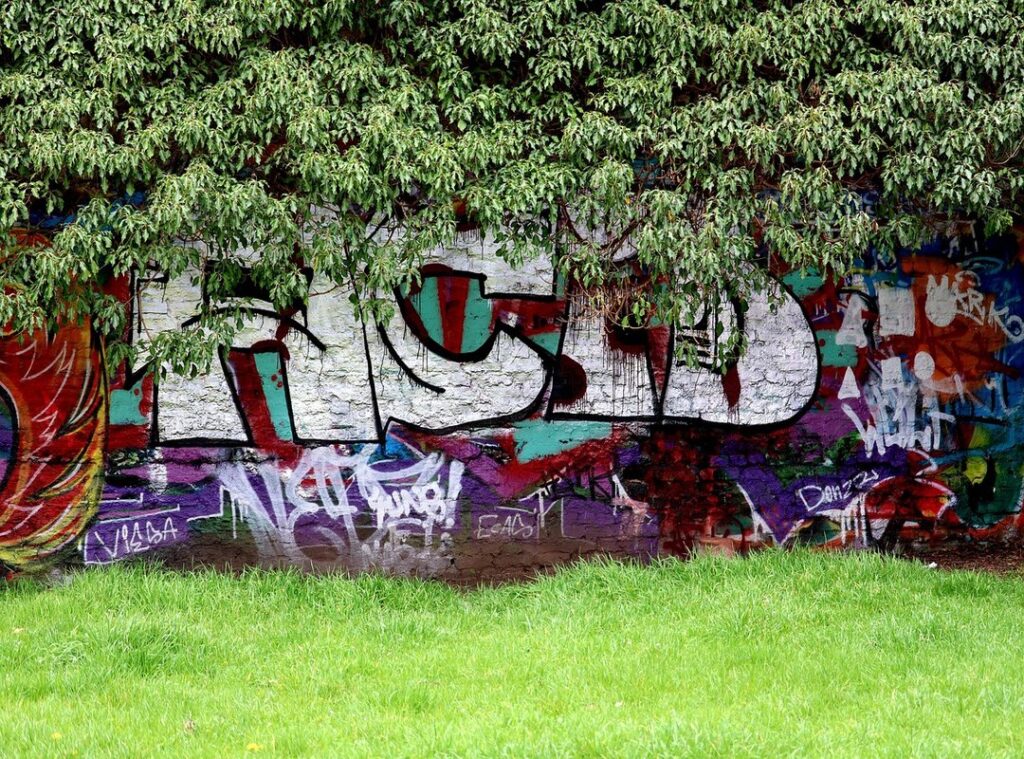
When you think of liyawel art, a few things probably come to mind. Intricate patterns, bold lines, and symbolic motifs are at the heart of it. These elements create a visual language that’s both striking and deeply meaningful.
Red often symbolizes passion, while blue represents spirituality. The color palette in traditional liyawel art is rich and vibrant, with each hue carrying its own significance. It’s like every brushstroke tells a story.
The materials and tools used in liyawel art are just as important. Natural pigments, specific types of canvas or wood, and handmade brushes all contribute to the unique texture and feel. This hands-on approach adds an authentic, almost sacred quality to the artwork.
Common themes in liyawel art include nature, mythology, community life, and abstract spiritual concepts. These subjects are woven together to create a tapestry of cultural and spiritual expression. It’s a way of connecting with something bigger than ourselves.
Compared to more familiar art styles, liyawel art stands out for its depth and symbolism. While other styles might focus on aesthetics alone, liyawel art layers meaning upon meaning, inviting viewers to dive deeper.
- Intricate Patterns and Bold Lines: These form the backbone of the visual language.
- Symbolic Motifs and Rich Color Palette: Each color and motif carries deep cultural and spiritual significance.
- Traditional Materials and Tools: Natural pigments, specific canvases, and handmade brushes add authenticity.
- Common Themes: Nature, mythology, and spiritual concepts are central to the artwork.
Looking ahead, I predict that the use of digital tools will start to blend with traditional methods. This could open up new avenues for creativity while preserving the core elements that make liyawel art so distinctive. Scookiegear
A Beginner’s Guide to Creating Liyawel-Inspired Artwork

If you’re intrigued by the vibrant and intricate designs of liyawel art, you might be wondering how to start. It’s easier than you think.
First, let’s talk materials. You don’t need traditional pigments or special canvases. Acrylic paints and a standard canvas will do just fine.
They’re more accessible and still give you that authentic feel.
Next, sketch your design. Focus on common liyawel shapes and patterns. Think about geometric shapes and repetitive motifs.
This step is all about getting the basic structure down.
Now, it’s time to add color. Layering is key. Use bold, flat colors to mimic the traditional style.
Don’t be afraid to experiment with different shades and combinations. The goal is to make your artwork pop.
Finally, add the detailed line work and patterns. This is where the magic happens. Fine lines and intricate details bring your liyawel art to life.
Take your time and enjoy the process.
Pro tip: Start with a small, simple project. It builds your confidence and helps you get a feel for the style.
Remember, the beauty of liyawel art is in its simplicity and boldness. Have fun and let your creativity flow.
Liyawel Art in the Modern World: Evolution and Appreciation
Contemporary artists are reimagining liyawel art, blending traditional techniques with modern aesthetics. This evolution keeps the art form vibrant and relevant, while still honoring its rich cultural heritage.
Authentic liyawel art can be viewed and purchased from various platforms. Online galleries, specialty shops, and cultural centers offer a wide range of pieces, making it accessible to art enthusiasts around the world.
Liyawel art has also found its way into other creative fields. Fashion designers incorporate its intricate patterns into clothing, graphic designers use its motifs in branding, and home decor enthusiasts integrate its elements into their spaces.
Ethical appreciation is crucial. Supporting artists from the source community ensures that they receive fair compensation and recognition for their work. This not only sustains the art form but also preserves the cultural integrity of the practice.
Efforts to preserve liyawel art for future generations are ongoing. Workshops, educational programs, and digital archives are being developed to document and teach the techniques, ensuring that this unique art form continues to thrive.

 Ask flare909 how they got into upcoming game releases and you'll probably get a longer answer than you expected. The short version: flare909 started doing it, got genuinely hooked, and at some point realized they had accumulated enough hard-won knowledge that it would be a waste not to share it. So they started writing.
What makes flare909 worth reading is that they skips the obvious stuff. Nobody needs another surface-level take on Upcoming Game Releases, Esports Coverage, Gaming Hardware and Accessories. What readers actually want is the nuance — the part that only becomes clear after you've made a few mistakes and figured out why. That's the territory flare909 operates in. The writing is direct, occasionally blunt, and always built around what's actually true rather than what sounds good in an article. They has little patience for filler, which means they's pieces tend to be denser with real information than the average post on the same subject.
flare909 doesn't write to impress anyone. They writes because they has things to say that they genuinely thinks people should hear. That motivation — basic as it sounds — produces something noticeably different from content written for clicks or word count. Readers pick up on it. The comments on flare909's work tend to reflect that.
Ask flare909 how they got into upcoming game releases and you'll probably get a longer answer than you expected. The short version: flare909 started doing it, got genuinely hooked, and at some point realized they had accumulated enough hard-won knowledge that it would be a waste not to share it. So they started writing.
What makes flare909 worth reading is that they skips the obvious stuff. Nobody needs another surface-level take on Upcoming Game Releases, Esports Coverage, Gaming Hardware and Accessories. What readers actually want is the nuance — the part that only becomes clear after you've made a few mistakes and figured out why. That's the territory flare909 operates in. The writing is direct, occasionally blunt, and always built around what's actually true rather than what sounds good in an article. They has little patience for filler, which means they's pieces tend to be denser with real information than the average post on the same subject.
flare909 doesn't write to impress anyone. They writes because they has things to say that they genuinely thinks people should hear. That motivation — basic as it sounds — produces something noticeably different from content written for clicks or word count. Readers pick up on it. The comments on flare909's work tend to reflect that.