Core Performance Differences
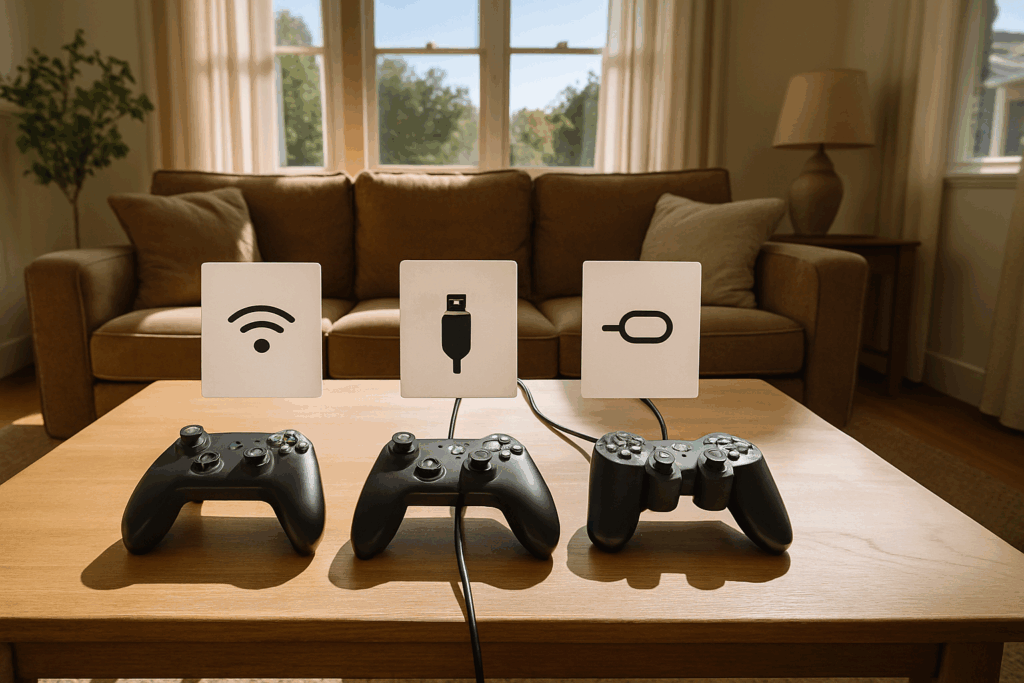
If gaming is your battleground, performance is king. Wired controllers still take the edge where it counts: responsiveness. With a direct connection, input lag is minimal milliseconds shaved off that can mean life or death in a ranked match. This is why serious competitive players often stick to wired setups no guessing, no delay.
Battery life? Wired wins by default. No batteries to charge, no mid session swap outs, no worrying about power levels creeping toward zero as a boss fight kicks off. It’s plug in and go always.
Then there’s the wild card: signal interference. Wireless tech has come a long way, but in cluttered wireless environments think crowded dorms, apartments, or conventions dropouts happen. Random lag spikes can kill momentum. Wired bypasses that risk entirely.
If you care about precision, reliability, and staying locked in during critical moments, wired performance is tough to beat.
Comfort and Mobility
When it comes to physical freedom, wireless controllers have the edge. No cords means you can stretch out on the couch, angle the screen however you want, or move around without fighting a cable. That’s a big deal for living room setups and anyone who doesn’t want their gear dictating how they play.
But it’s not all upside. Wired controllers, while reliable, have leash like limitations. You’re tethered to the console or PC, which can create a mess of cables and restrict movement especially if you’re dealing with a short cord or a crowded setup. Cable management becomes part of the routine.
There’s also the matter of controller heft. Wireless models tend to be heavier, mostly because of the built in batteries. For long sessions, that can lead to a little extra fatigue. Some gamers barely notice the weight; others do. It comes down to what you value more: being untethered or staying light.
Cost & Compatibility

When it comes to price, wired controllers are usually the budget friendly option. No wireless tech means lower manufacturing costs, and that savings often gets passed to the buyer. For gamers who care more about function than flash, wired gets the job done without draining your wallet.
Compatibility is another area where wired can win. Many USB based controllers work out of the box across PC, PlayStation, and sometimes even Xbox, depending on the model. No dongles, no syncing headaches just plug in and play. That kind of simplicity is underrated.
Wireless controllers, while convenient, can introduce extra layers. Firmware updates, driver downloads, Bluetooth pairing issues it can all slow you down. If you just want to fire up your rig and get into the game, wired keeps things clean and straightforward.
Best Use Cases
Wired for Precision
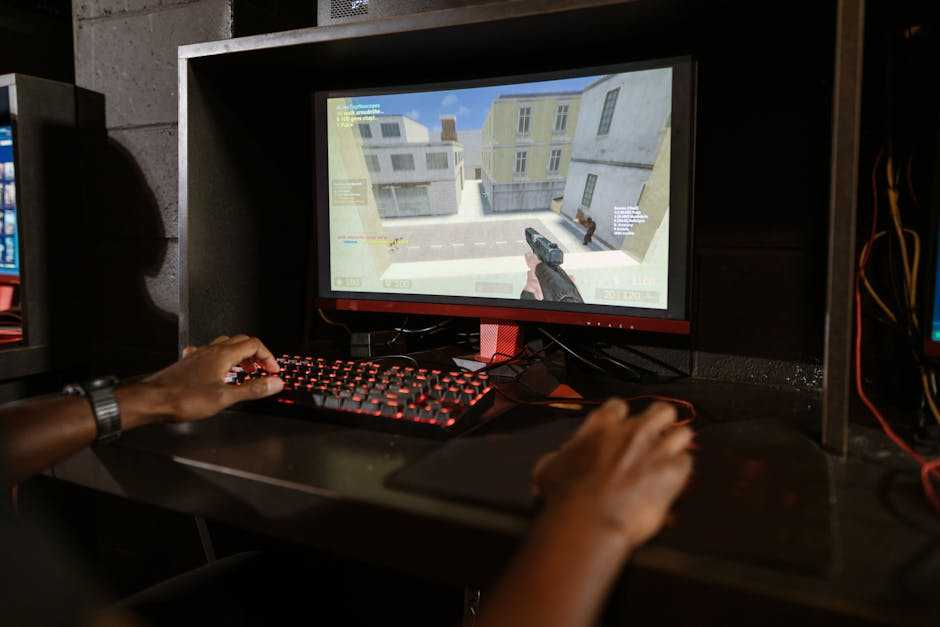
If reaction time matters, go wired. In the world of esports and high pressure shooters, milliseconds make the difference between winning and spectating. Wired controllers deliver raw responsiveness no signal drop, no battery issues, no interference. Tournament setups rely on this for good reason. It’s direct, stable, and cuts out the variables. Plugged in means locked in.
Wireless for Casual Play
On the flip side, if you’re kicking back with an adventure game, roaming an open world, or running couch co op with friends, wireless is the way to go. Less clutter, more freedom. No cords snaking across the floor. You can stretch out, change position, or pass the controller with zero hassle. For everyday gaming, the convenience outweighs the fractional lag.
So, precision or play? It depends what kind of gamer you are and what kind of game you play.
Final Decision Factors
At the end of the day, the best controller is the one that fits how you play. Love twitch shooters or competitive fighters? A wired controller’s low latency could give you the edge. Prefer lounging on the couch for long RPG sessions? Wireless gives you space to stretch out. There’s no one size fits all answer just trade offs. What matters most is aligning your gear with your gameplay priorities: speed vs. comfort, portability vs. precision.
If you’re unsure where you fall, or you’re ready to upgrade your setup, check out our gamer hardware comparisons. It’s packed with insights on performance specs, compatibility factors, and how to tailor your gear to your personal play style.

 Ask Josielayna Estradas how they got into upcoming game releases and you'll probably get a longer answer than you expected. The short version: Josielayna started doing it, got genuinely hooked, and at some point realized they had accumulated enough hard-won knowledge that it would be a waste not to share it. So they started writing.
What makes Josielayna worth reading is that they skips the obvious stuff. Nobody needs another surface-level take on Upcoming Game Releases, Esports Coverage, Gaming Hardware and Accessories. What readers actually want is the nuance — the part that only becomes clear after you've made a few mistakes and figured out why. That's the territory Josielayna operates in. The writing is direct, occasionally blunt, and always built around what's actually true rather than what sounds good in an article. They has little patience for filler, which means they's pieces tend to be denser with real information than the average post on the same subject.
Josielayna doesn't write to impress anyone. They writes because they has things to say that they genuinely thinks people should hear. That motivation — basic as it sounds — produces something noticeably different from content written for clicks or word count. Readers pick up on it. The comments on Josielayna's work tend to reflect that.
Ask Josielayna Estradas how they got into upcoming game releases and you'll probably get a longer answer than you expected. The short version: Josielayna started doing it, got genuinely hooked, and at some point realized they had accumulated enough hard-won knowledge that it would be a waste not to share it. So they started writing.
What makes Josielayna worth reading is that they skips the obvious stuff. Nobody needs another surface-level take on Upcoming Game Releases, Esports Coverage, Gaming Hardware and Accessories. What readers actually want is the nuance — the part that only becomes clear after you've made a few mistakes and figured out why. That's the territory Josielayna operates in. The writing is direct, occasionally blunt, and always built around what's actually true rather than what sounds good in an article. They has little patience for filler, which means they's pieces tend to be denser with real information than the average post on the same subject.
Josielayna doesn't write to impress anyone. They writes because they has things to say that they genuinely thinks people should hear. That motivation — basic as it sounds — produces something noticeably different from content written for clicks or word count. Readers pick up on it. The comments on Josielayna's work tend to reflect that.